


You know what’s interesting? In today’s fast-paced world, the traditional classroom setup feels a bit outdated. We’ve all been there—sitting in rows, staring at a chalkboard while the teacher drones on. But what if I told you that the classroom of the future, often referred to as Classroom 20X, is set to change everything? This innovative approach to education emphasizes collaboration, engagement, and technology integration. Join me as we explore how Classroom 20X is transforming learning environments and the incredible impact it can have on students and teachers alike.
What is Classroom 20X?
A New Education Paradigm
Classroom 20X isn’t just a physical space; it’s a mindset. It encompasses a versatile learning environment that adapts to various teaching styles and student needs. Imagine classrooms designed with flexibility in mind, where furniture can be reconfigured for group work, discussions, or individual study.
Key Features of Classroom 20X
- Technology Integration: Smart boards, tablets, and virtual reality setups become staples rather than exceptions.
- Flexible Learning Spaces: Areas are designed for collaboration, quiet study, and hands-on learning.
- Engagement and Interaction: Emphasis on interactive lessons rather than passive reception of information.
The Core Principles of Classroom 20X
1. Student-Centered Learning
And really, the essence of Classroom 20X is putting students at the center of their own learning journey. By encouraging autonomy and choice, students become active participants rather than passive recipients of knowledge. This is especially beneficial for those who thrive in non-traditional learning settings.
2. Collaboration Over Competition
Trust me; we’ve all seen the competition among students as they vie for grades. Classroom 20X fosters collaboration, where students work together on projects, share ideas, and support one another. This not only enhances understanding but also builds essential social skills.
3. Hands-On Learning Experiences
So many students learn better by doing rather than just listening. In a Classroom 20X environment, experiential learning is emphasized. This could mean everything from science experiments to interactive field trips, allowing students to grasp concepts more effectively.
Implementing Classroom 20X: Practical Tips
1. Rethinking Classroom Layout
To truly embody the Classroom 20X ethos, the physical layout plays a crucial role. Designers suggest arranging desks in circles or clusters rather than traditional rows. This small change encourages communication and interaction.
Example Layouts
- Collaborative Pods: Small groups of desks with shared resources.
- Flexible Zones: Different areas within the classroom designated for various activities—quiet study, brainstorming, or group presentations.
2. Embracing Technology
But let’s not forget technology; it’s a game-changer in education. Schools should invest in digital tools that enable engagement. Interactive lessons that utilize tablets or smartboards can make learning more dynamic.
Suggested Tech Tools
- Learning Management Systems (LMS): Platforms like Google Classroom or Canvas help organize assignments and foster communication.
- Educational Apps: Use apps that encourage creativity, like Padlet for brainstorming or Kahoot for interactive quizzes.
3. Encouraging a Growth Mindset
It’s essential to create an environment that promotes a growth mindset where mistakes are seen as learning opportunities. Regular feedback and reflection should be embedded in the classroom culture.
4. Professional Development for Teachers
Educators also need support! Professional development should focus on how to effectively implement the principles of Classroom 20X. Workshops and training sessions can provide teachers with the necessary tools and confidence to adapt their teaching styles.
The Benefits of Classroom 20X
Improved Student Engagement
Classroom 20X methods naturally lead to higher levels of student engagement. When students feel they have a say in their learning, they are more likely to participate actively, ask questions, and explore subjects they are passionate about.
Enhanced Collaboration Skills
Working in collaborative environments teaches students how to communicate effectively, resolve conflicts, and respect diverse perspectives. These are skills that serve them well beyond the classroom.
Fostering Creativity
With hands-on learning and flexible environments, students are encouraged to think outside the box. This fosters creativity and innovation—skills that are essential in today’s workforce.
Better Learning Outcomes
Ultimately, implementing Classroom 20X can lead to improved academic performance. Engaged and motivated students are more likely to grasp concepts, leading to higher retention rates and better overall grades.
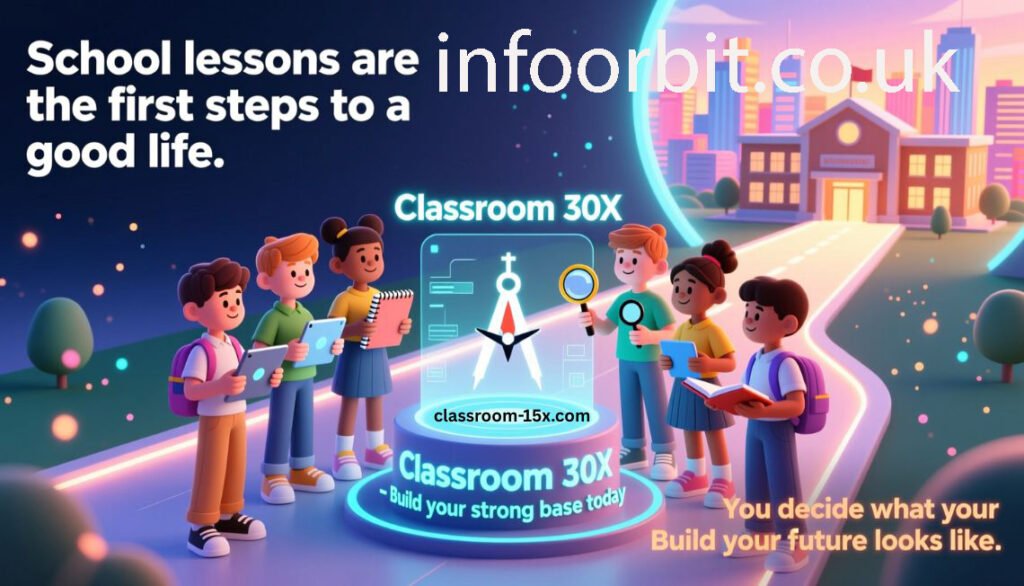
Conclusion: The Future of Education is Here
In conclusion, Classroom 20X represents a shift towards a more engaging, collaborative, and student-centered learning experience. As we embrace this innovative approach, we can provide students with the skills they need to thrive in an ever-changing world. Imagine a future where classrooms are vibrant hubs of creativity and collaboration—this isn’t just a dream; it’s within reach! So let’s take the leap, adapt, and make education a truly enriching experience for every student.
