

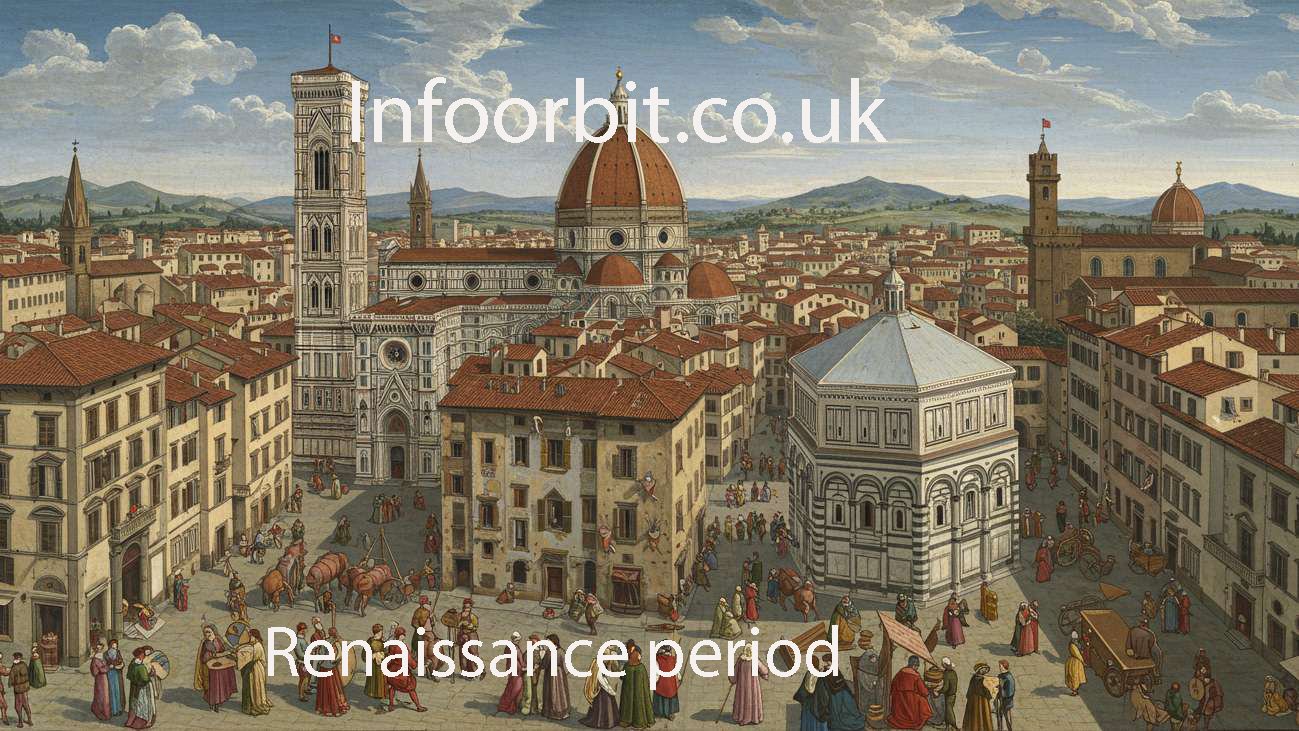
If you’ve ever wondered why modern life looks the way it does—our art, our science, our sense of beauty, our urge to explore—there’s a good chance the answer traces back to the Renaissance Period. And trust me, once you dive into this era, you’ll start noticing its Renaissance Period fingerprints everywhere. Actually, it’s kind of mind-blowing when you think about how one cultural “rebirth” reshaped everything from painting techniques to political systems.
So, let’s take a friendly stroll through one of the Renaissance Period most fascinating chapters in human history: the Renaissance. And yes, by the end, you might just feel inspired to chase your own creative rebirth too.
What Was the Renaissance Period? (And Why Should We Care Today?)
The Renaissance Period, which spanned roughly Renaissance Period from the 14th to the 17th century, was a time when Europe experienced a massive cultural, intellectual, and artistic awakening. Imagine people looking around and suddenly realizing, “Wait… we can question things? We can innovate? We can create?”
This period didn’t just introduce famous names like Leonardo da Vinci, Michelangelo, and Galileo—it introduced a new way of thinking entirely.
To be honest, the Renaissance isn’t just a historical event—it’s an energy. A mindset. And you’ll see why that matters as we go deeper.
The Spark of Change: What Triggered the Renaissance?
You know what’s interesting? The Renaissance didn’t just pop out of nowhere. Several major forces came together like puzzle pieces.
1. The Fall of Constantinople
When Constantinople fell in 1453, many scholars fled to Europe Renaissance Period carrying ancient Greek and Roman manuscripts. Suddenly, old knowledge became new again.
2. Increased Trade and Wealth
Cities like Florence, Venice, and Milan became rich through trade. And where there’s money, there’s usually patronage for artists, thinkers, and dreamers.
3. The Black Death’s Aftermath
Strangely enough, the devastation of the Black Plague opened space for social change. People started questioning everything, from church authority to traditional lifestyles.
4. Invention of the Printing Press
Thanks to Johannes Gutenberg, ideas could finally travel fast—like the medieval version of going viral.
The Heart of the Renaissance: Humanism
At the core of the Renaissance was a philosophy called Humanism. And honestly, once you understand humanism, the entire Renaissance makes sense.
Humanism encouraged people to:
-
study classical texts
-
believe in human potential
-
ask questions
-
value education
-
appreciate beauty, proportion, and reason
So instead of focusing only on religion or survival, people Renaissance Period started exploring art, politics, engineering, literature, and the wonders of the human mind. It was like Europe finally shook off a heavy blanket and stretched its limbs after a long sleep.
Renaissance Art: When Creativity Hit a Whole New Level
Let’s be real for a moment: Renaissance art is stunning. Even if you’re not “an art person,” it’s hard not to appreciate the beauty and detail of this era.
Leonardo da Vinci: The Ultimate Renaissance Man
Leonardo didn’t just paint; he dissected bodies, sketched flying machines, studied light, and experimented with anatomy.
His masterpieces include:
-
The Mona Lisa – that mysterious smile still sparks debates.
-
The Last Supper – a storytelling masterpiece.
-
Vitruvian Man – a perfect blend of science and art.
And honestly, Leonardo is the guy who makes the rest of us question what we’re doing with our lives.
Michelangelo: The Sculptor of Emotions
Michelangelo’s art feels alive. Whether it’s the towering statue of David or the breathtaking ceiling of the Sistine Chapel, his work practically vibrates with emotion and energy.
He once said he “liberated” figures trapped Renaissance Period inside marble. If that isn’t poetic, I don’t know what is.
Raphael, Donatello & Beyond
Raphael brought elegance, Donatello added depth, and dozens more artists pushed boundaries, experimenting with:
-
perspective
-
shading
-
realism
-
anatomical precision
This was the moment art transformed forever.
Science and Innovation: When Curiosity Became a Revolution
So, here’s where things get exciting. The Renaissance didn’t just produce gorgeous art—it changed the way humans understood the universe.
1. Galileo Galilei
Galileo turned telescopes to the sky and dared Renaissance Period to say Earth wasn’t the center of the universe. That took some serious courage.
2. Nicolaus Copernicus
Copernicus proposed the heliocentric theory, setting the stage for modern astronomy.
3. Advances in Medicine
Doctors studied the human body more accurately than ever before. And, honestly, the progress was long overdue.
4. Engineering Marvels
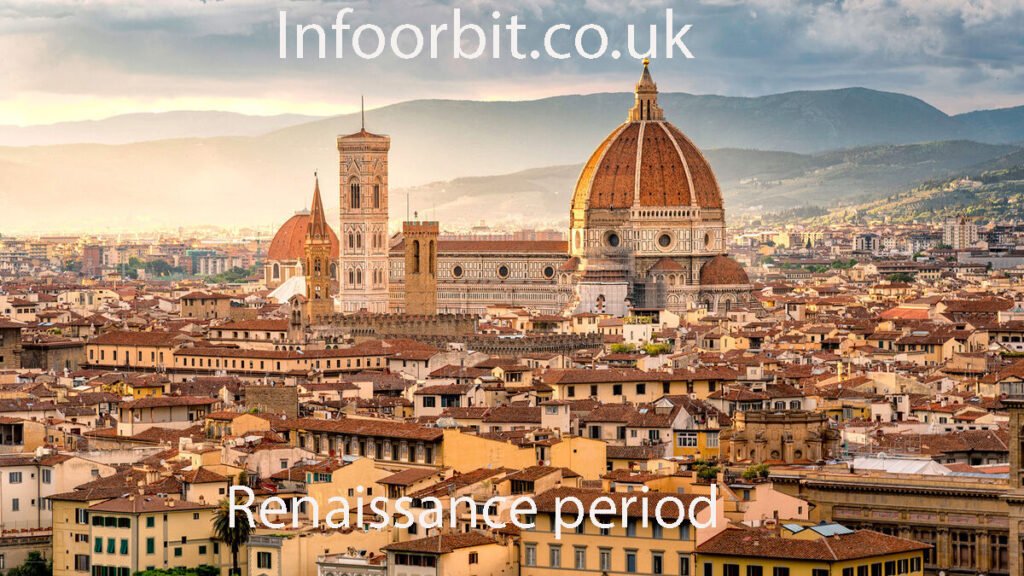
From bridges to domes to machines, Renaissance Period engineers dreamed big. Thank thinkers like Brunelleschi for architectural wonders like the Florence Cathedral dome.
This was an era where questions weren’t forbidden—they were celebrated.
Literature and Intellectual Awakening
If you’ve ever enjoyed reading poetry, drama, or philosophical musings, thank the Renaissance.
William Shakespeare
The man himself. Shakespeare’s plays captured human emotions so vividly that people still quote him without realizing it.
Dante, Petrarch & Boccaccio
These Italian writers explored human nature, morality, love, and society with a fresh perspective that influenced the world for centuries.
The Explosion of Books
Thanks to the printing press, books became cheaper and more accessible. Basically, knowledge went public.
The Political Landscape: New Thought, New Systems
Politics during the Renaissance wasn’t just kings and castles—it was strategic thinking.
Machiavelli’s “The Prince”
Love him or hate him, Machiavelli changed political theory forever. His unapologetic realism (“it’s safer to be feared than loved”) still sparks debates.
Rise of Nation-States
Countries began forming clearer identities, laws, and systems—something we still live with today.
Daily Life in the Renaissance: More Than Just Fancy Paintings
To be honest, people during the Renaissance weren’t all artists and scholars sipping wine in Florence. But everyday life did start improving.
More Education
Schools and universities grew in popularity.
Expanding Cities
Urban life became vibrant with markets, music, craftsmanship, and innovation.
Social Mobility
If you had talent—especially in art or writing—you could rise in status. Pretty cool, right?
How the Renaissance Influences Us Today
So, why does the Renaissance Period still matter? Well, almost everything we consider “modern” has some roots in this era.
Here’s what we owe to the Renaissance:
-
realistic art
-
scientific method
-
modern literature
-
architectural innovations
-
human-centered philosophy
-
global exploration
-
political theory
-
emphasis on education
When you think about it, the Renaissance didn’t just reshape Europe—it set the foundation for the modern world.
Conclusion: The Renaissance Mindset Lives On
If there’s one lesson the Renaissance Period teaches us, it’s this: rebirth is always possible.
And maybe that’s the real magic here. Whether you’re reinventing your life, learning a new skill, or chasing a dream, the Renaissance spirit reminds us that curiosity, creativity, and courage can transform everything.
