

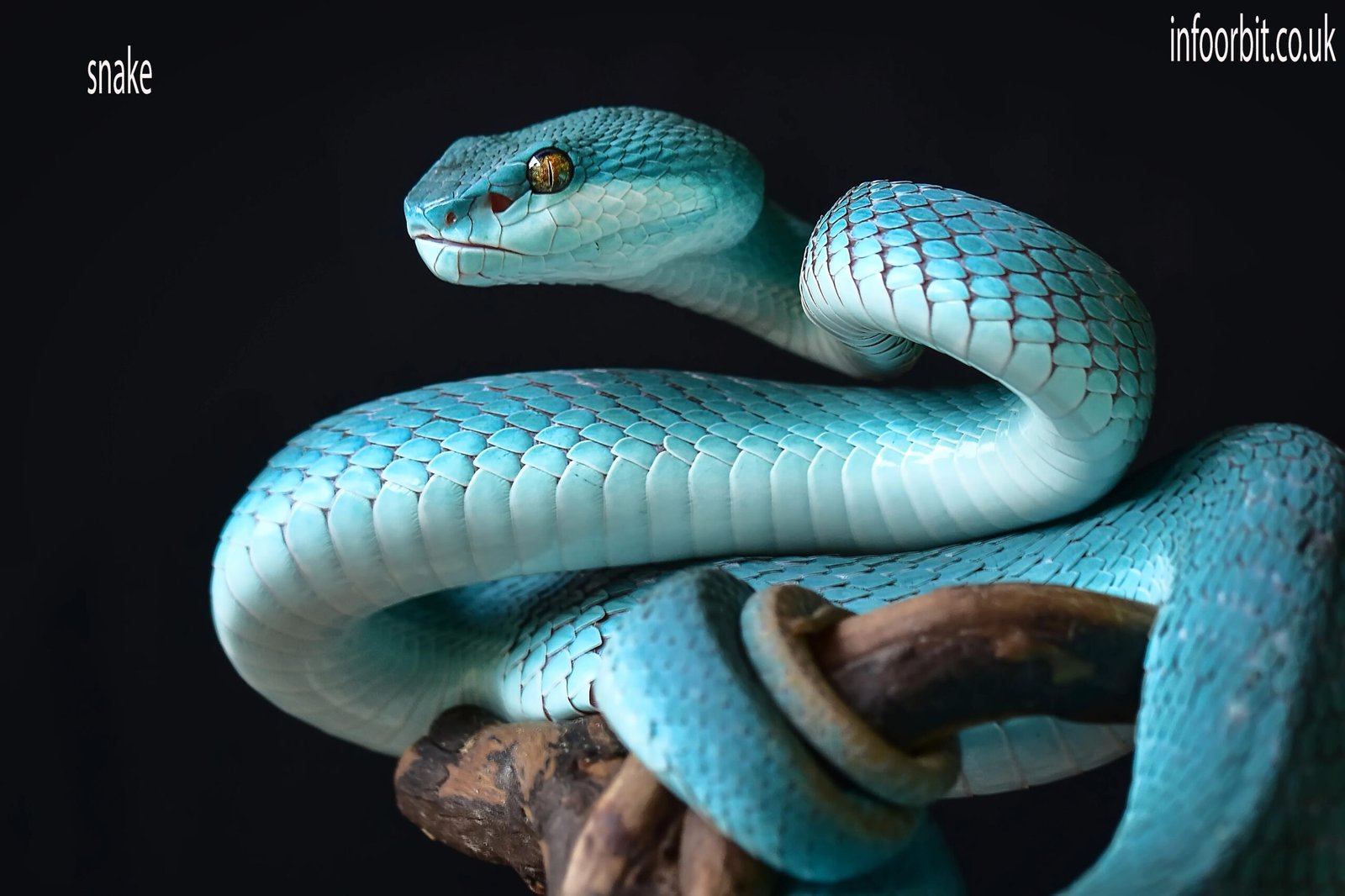
A snake is one of the most fascinating and misunderstood creatures on Earth. Known for its long, legless body, unique movement, and sometimes venomous bite, the has captured human imagination for centuries. Across cultures, thex symbolizes wisdom, danger, rebirth, and mystery. From ancient mythology to modern science, the x continues to be a subject of interest and research.
There are over 3,000 known species of worldwide, living in diverse habitats such as forests, deserts, oceans, and grasslands. Somex are harmless and beneficial to humans, while others are venomous and require caution. This comprehensive guide explores the biology, behavior, habitat, diet, reproduction, types, myths, cultural significance, and safety measures related toxspecies.
Understanding thexhelps reduce fear and promotes coexistence with these vital members of the ecosystem.
What Is a Snake?
Ax is a legless reptile belonging to the suborder Serpentes. Unlike lizards,xlack eyelids and external ears. Their bodies are covered in scales, which protect them and help in movement.x rely on their environment for body temperature regulation, making them cold-blooded or ectothermic animals.
Key Characteristics of a Snake
-
Long, cylindrical body
-
No limbs
-
Flexible jaw for swallowing prey
-
Forked tongue for sensing chemicals
-
Excellent camouflage abilities
Each x species has adapted uniquely to its habitat, making them highly specialized predators.
Evolution and History of Snake
The evolutionary journey of the spans over 100 million years. Fossil evidence suggests that x evolved from lizard-like ancestors. Over time, limbs disappeared as x adapted to burrowing and slithering lifestyles.
Scientists believe that early species lived underground or in aquatic environments. This adaptation led to the loss of limbs, resulting in the streamlined body shape seen today.
Types of Snake Species Around the World
There are thousands of x species, divided into venomous and non-venomous categories. Understanding these types helps in identifying potential risks and appreciating their diversity.
1. Venomous Species
Venomousx species possess specialized glands to produce venom, which they use for hunting and defense.
Common venomous x species include:
-
Cobra
-
Viper
-
Rattlesx
-
Mamba
-
Taipan
These x inject venom through hollow or grooved fangs, immobilizing prey or deterring predators.
2. Non-Venomous Snake Species
Most xspecies are non-venomous and pose no danger to humans.
Examples include:
-
Python
-
Boa constrictor
-
Garter x
-
Corn x
-
King x
These x typically kill prey by constriction or swallowing it alive.
Habitat and Distribution of Snake
A x can survive in nearly every environment except extreme cold regions like Antarctica. x are highly adaptable and occupy diverse habitats across continents.
Common Snake Habitats
-
Tropical rainforests
-
Deserts
-
Grasslands
-
Wetlands
-
Mountains
-
Oceans
Somex species, such as sea xs, are fully aquatic, while others, like tree x, spend most of their lives in branches.
Anatomy and Physical Features
Understanding the anatomy of a reveals how it survives, hunts, and defends itself.
Body Structure
A x elongated body contains hundreds of vertebrae, giving it exceptional flexibility. Its muscles enable smooth and powerful movement.
Skin and Scales
x scales are made of keratin and help prevent water loss. x shed their skin periodically, a process known as molting or ecdysis.
Sensory Organs
-
Forked tongue for chemical sensing
-
Heat-sensing pits in some species
-
Excellent vibration detectionsnake a
These features make the highly efficient predator.
How a Moves
A x uses specialized muscular movements to propel itself forward. Unlike animals with legs, x rely on body waves and friction.
Modes of Snake Locomotion
-
Lateral undulation
-
Sidewinding
-
Concertina movement
-
Rectilinear movement
Each movement type allows the x to adapt to various surfaces, from sand dunes to tree branches.
Snake Feeding Habits and Diet
The diet of ax depends on its size, habitat, and species.
Common Prey of Snake
-
Rodents
-
Birds
-
Eggs
-
Frogs
-
Fish
-
Insects
-
Other reptiles
Some large x species, such as pythons, can consume prey much larger than their head by dislocating their jaw bones.
How Does a Snake Hunt?
A x uses stealth, camouflage, and precision to capture prey. Venomous s rely on venom, while non-venomous x use constriction.
Hunting Techniques
-
Ambush hunting
-
Active pursuit
-
Venom injection
-
Constriction
This makes the xa top predator in many ecosystems.
Snake Venom: Uses and Effects
venom is a complex mixture of proteins and enzymes. While dangerous, it also has medicinal value.
Effects of Snake Venom
-
Neurotoxic (affects nerves)
-
Hemotoxic (affects blood)
-
Cytotoxic (damages tissues)
Medical Uses of Venom
Venom is used to produce antivenom and in medical research to treat conditions like blood clots and high blood pressure.
Snake Reproduction and Life Cycle
The reproductive behavior of a x varies by species.
Types ofx Reproduction
-
Oviparous – laying eggs
-
Viviparous – giving birth to live young
-
Ovoviviparous – eggs hatch inside the mother
xhatchlings are fully independent from birth.
Growth and Lifespan of Snake
The lifespan of a xranges from 5 to over 30 years, depending on species and environment.
Factors Affecting Lifespan
-
Habitat
-
Food availability
-
Predation
-
Human interference
In captivity, x often live longer due to controlled environments.
Cultural and Mythological Significance of Snake
Thex holds deep symbolism across cultures.
xin Ancient Civilizations
-
Egypt: Symbol of royalty and protection
-
India: Sacred and divine
-
Greece: Healing and medicine
-
China: Wisdom and transformation
These cultural meanings reflect humanity’s long-standing relationship with x
Snake in Religion and Folklore
Many religious texts and folklore stories feature the x as a powerful symbol.
-
In Hinduism, x represent cosmic energy.
-
In Christianity,x symbolize temptation.
-
In African traditions,x are protectors and ancestors.
Importance of Snake in Ecosystem
A xplays a crucial role in maintaining ecological balance.
Ecological Benefits of
-
Controls rodent populations
-
Maintains food chain balance
-
Prevents crop destruction
By regulating prey populations,x help protect agriculture and reduce disease spread.
Common Myths and Misconceptions About
There are many myths surrounding x, leading to fear and misunderstanding.
Popular Snake Myths
-
xs chase humans
-
Allx are venomous
-
x drink milk
-
x hypnotize prey
These myths have no scientific basis and contribute to unnecessary panic.
Snake Safety: What to Do If You Encounter a Snake
Knowing how to react to ax encounter can prevent injury.
Safety Tips
-
Remain calm
-
Maintain distance
-
Do not provoke
-
Slowly back away
What to Do After a xBite
-
Seek medical attention immediately
-
Keep the affected limb still
-
Do not attempt home remedies
Snake Conservation and Protection
Manyspecies are threatened due to habitat destruction, pollution, and illegal trade.
Conservation Efforts
-
Wildlife protection laws
-
Habitat preservation
-
Public education
-
Research and monitoring
Protecting x populations helps maintain biodiversity and ecosystem stability.
Snake as Pets: Care and Responsibility
Some people keep non-venomousx species as pets.
Popular Pet x Species
-
Corn x
-
Ball python
-
Kingx
Care Requirements
-
Proper enclosure
-
Controlled temperature
-
Balanced diet
-
Regular health checks
Owning ax requires responsibility, knowledge, and commitment.
Interesting Facts About Snake
Here are some fascinating facts about the x
-
x smell with their tongue
-
Some x can glide through the air
-
xs can survive months without eating
-
The largest x species can reach over 30 feet
Snake in Modern Research and Medicine
Scientists study x for their unique biological traits.
Medical Contributions
-
Venom-based drugs
-
Pain management research
-
Neurological studies
The x continues to inspire groundbreaking medical advancements.
Environmental Threats to Snake Species
Human activities pose serious risks to populations.
Major Threats
-
Deforestation
-
Urban expansion
-
Pollution
-
Climate change
-
Poaching
Protectingx habitats is crucial for their survival.
Role of Snake in Agriculture
Ax is beneficial for farmers by controlling pests.
Agricultural Benefits
-
Reduces rodent population
-
Protects crops
-
Minimizes pesticide use
This natural pest control supports sustainable farming practices.
Snake Behavior and Communication
Though silent, x communicate through body language and chemical signals.
Behavioral Signs
-
Hissing
-
Coiling
-
Head elevation
-
Tail vibration
These behaviors indicate warning or defense.
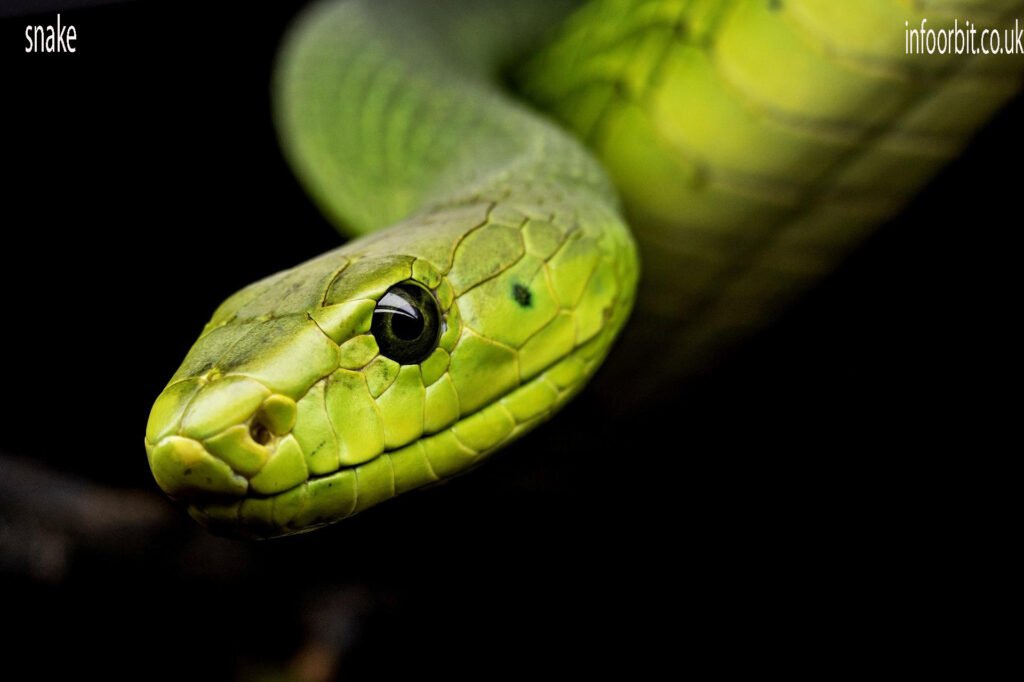
How to Identify a Venomous Snake
Identification helps avoid dangerous encounters.
Key Indicators
-
Triangular head
-
Heat-sensing pits
-
Elliptical pupils
-
Distinct color patterns
However, professional identification is always recommended.
Snake Conservation Laws and Global Protection
Many countries have laws protecting species.
Legal Measures
-
Wildlife protection acts
-
Anti-poaching laws
-
Habitat conservation policies
These efforts ensure the long-term survival of x populations.
Future of Snake Species
The survival of the depends on human awareness and conservation efforts.
Key Actions for Protection
-
Environmental education
-
Habitat preservation
-
Scientific research
-
Responsible tourism
Conclusion: Respecting and Understanding the Snake
The snake is one of nature’s most remarkable creations. From its unique anatomy and hunting skills to its cultural symbolism and ecological importance, thex deserves respect rather than fear.
By understanding behavior, habitat, and significance, humans can coexist peacefully with these reptiles. Conservation efforts and education are essential to ensure that x species thrive for generations to come.
Thex is not just a symbol of danger—it is a vital part of the planet’s biodiversity and ecological balance.
