

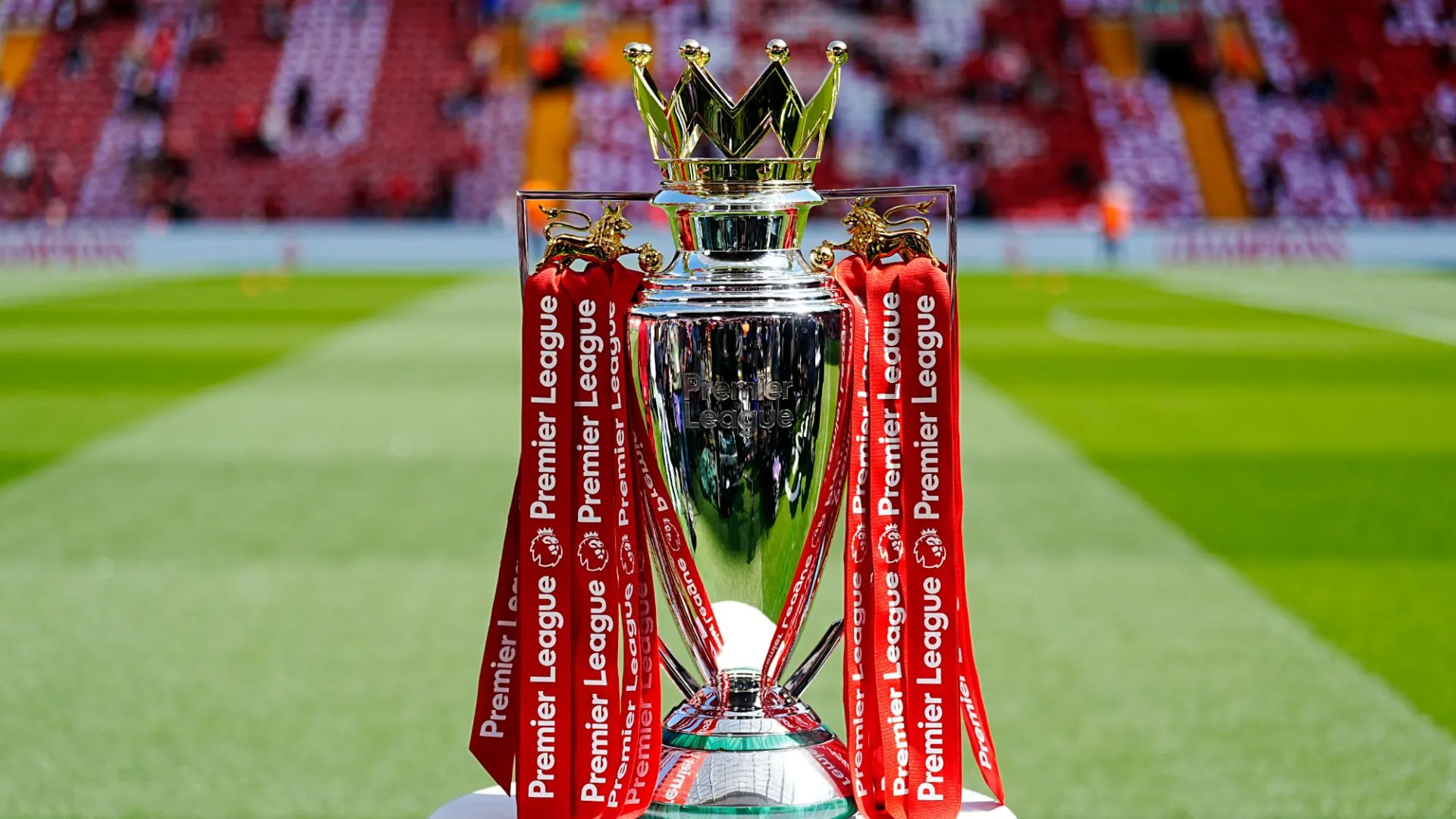
The 2016/2017 Premier League season featured several clubs whose tactical setups, early pressing intensity, and home-ground dominance created recurring patterns of first-half leads that half-time result markets often underpriced. Chelsea won at half-time in 55% of their matches, while Liverpool’s aggressive opening tempo generated 39 first-half goals, both establishing tendencies that sharp bettors could exploit across half-time correct score, Asian handicap, and draw/win combinations. This article adopts an educational perspective, explaining why certain 2016/17 teams consistently led at the interval, how those patterns translated into half-time betting opportunities, and when relying on early-lead tendencies became misleading.
Why early-lead patterns create half-time betting edges
Half-time markets settle independently of full-time outcomes, meaning a team can lead 1-0 at the break yet still lose 2-1, and the half-time bet pays regardless of the final score. That structural feature makes half-time betting less about predicting ninety-minute form and more about isolating the specific tactical, personnel, and psychological factors that drive opening-period performance. In 2016/17, teams with high first-half goal tallies, aggressive pressing systems, or strong home records demonstrated repeatable early-lead behavior that bookmakers sometimes mispriced when focusing on full-match probabilities.
From an educational standpoint, understanding why a team leads at half-time frequently matters as much as knowing that they do. Liverpool under Jürgen Klopp pressed intensely from kickoff, aiming to unsettle opponents before they could settle into defensive shape, which generated early chances and goals. Chelsea’s 3-4-3 system under Antonio Conte allowed them to control midfield and territory from the start, gradually wearing down opponents until defensive errors or set-piece opportunities produced first-half leads. Both approaches created structural edges in half-time markets, but the mechanisms differed, meaning the conditions under which those edges held also varied.
Premier League 2016/17 half-time win leaders
Statistical breakdowns of 2016/17 half-time results reveal which teams most frequently held leads at the interval and how that frequency compared to their full-match dominance. Chelsea’s 55% half-time win rate across the season reflected their overall league dominance—they won the title with 93 points—but it also showed that even in matches they eventually drew or won narrowly, they often established control early. That consistency made backing Chelsea to lead at half-time, especially at Stamford Bridge, a relatively safe proposition when odds compensated adequately for the probability.
Tottenham, despite finishing second with 86 points, demonstrated similarly strong first-half performance driven by their high defensive line and intense pressing under Mauricio Pochettino. Their 86 total goals included a significant portion scored before the break, particularly at White Hart Lane, where home advantage and crowd energy amplified their early tempo. Liverpool’s 39 first-half goals led the league in that metric, confirming their reputation as fast starters, though their defensive frailties meant they did not always convert early leads into half-time wins as reliably as Chelsea or Tottenham.
The following table summarises illustrative half-time tendencies for selected 2016/17 Premier League clubs.
| Team | Half-time win % (approx.) | First-half goals scored | Typical early-game approach |
| Chelsea | 55% | Moderate, controlled | Territory dominance, set pieces |
| Liverpool | Lower win %, high goals | 39 (league-leading) | High press, fast transitions |
| Tottenham | High | Strong home, balanced away | Pressing, defensive-line aggression |
| Man City | Moderate | Possession-heavy | Patient build-up, late first-half chances |
| Burnley | Low, high draws | 61% draws at HT | Deep block, minimal early attacking |
Chelsea’s combination of high half-time win percentage and title-winning consistency made them an anchor for many half-time betting strategies, while Liverpool’s high goal count but lower win conversion created more nuanced opportunities around half-time overs or BTTS rather than simple result bets. Burnley’s 61% half-time draw rate, meanwhile, pointed toward the opposite edge: backing draws at the interval when they faced mid-table or stronger opponents.
How home advantage amplified early-lead frequency
Home teams in 2016/17, as in most Premier League seasons, enjoyed a measurable advantage in first-half performance due to familiarity with playing surface, crowd support, and opponent travel fatigue. Chelsea at Stamford Bridge, Tottenham at White Hart Lane, and Liverpool at Anfield all posted significantly higher half-time win rates at home than away, making venue a critical filter when evaluating half-time betting value.
Crowd noise and psychological comfort allowed home sides to impose their tactical identity more quickly, while visiting teams often adopted cautious opening strategies to avoid conceding early and losing control of the match. That dynamic pushed many home fixtures toward patterns where the home side either led or held a goalless draw at half-time, with away wins at the interval being comparatively rare. Bettors who weighted home advantage heavily in half-time assessments improved their strike rate compared to those who treated venue neutrally.
Conditional scenarios: when home advantage failed to produce early leads
Despite the general home-field edge, certain conditions neutralised or reversed it. Fixture congestion, especially during the Christmas period, sometimes left home teams fatigued while away opponents arrived fresher after greater squad rotation. High-stakes matches between top-six clubs often saw both sides start cautiously, leading to cagey first halves regardless of venue. Weather conditions—heavy rain, strong wind, or cold temperatures—occasionally disrupted the home side’s usual rhythm more than the visitor’s, particularly if the away team was accustomed to worse conditions.
Recognising these conditional limits prevented over-reliance on home-advantage assumptions. A Chelsea home fixture in mid-December after three matches in seven days carried different half-time probabilities than a well-rested Chelsea side in September, even though both matches appeared superficially similar. Educational betting approaches teach pattern recognition alongside exception awareness, ensuring that general tendencies inform decisions without becoming rigid rules.
First-half pressing intensity and its impact on HT results
Tactical pressing systems directly influenced half-time outcomes by determining when and where teams generated chances. Liverpool’s gegenpress, designed to win the ball high and attack immediately, created multiple early shooting opportunities that translated into first-half goals even when overall match control was contested. Tottenham’s man-oriented pressing forced errors in opponent build-up, leading to turnovers in dangerous areas and quick strikes before defenses could reset.
Teams that pressed aggressively tended to score earlier in matches but also conceded more counter-attacking chances, which sometimes resulted in first-half draws despite territorial dominance. That volatility made Liverpool’s half-time markets more unpredictable than Chelsea’s, where positional control and defensive solidity produced cleaner early leads with fewer opponent responses. Understanding the interplay between pressing style and defensive stability helped bettors distinguish between teams whose early goals led to half-time wins and those whose goals were offset by counter-concessions.
Opponent strength and half-time result variability
A team’s half-time performance varied significantly based on opponent quality, making blanket betting strategies—such as “always back Chelsea to lead at half-time”—less effective than selective, opponent-adjusted approaches. When Chelsea faced fellow top-six clubs, half-time draws became more common as both sides prioritised avoiding early mistakes over chasing goals. Against bottom-half teams, Chelsea’s quality advantage and home-field dominance often produced first-half leads, but away fixtures still required caution.
Mid-table opponents posed the most interesting puzzle. Teams like Southampton, West Brom, and Stoke combined defensive organisation with enough attacking threat to keep first halves competitive, making half-time draws or narrow home leads more likely than emphatic scorelines. Bettors who segmented opponents into top-six, mid-table, and relegation-threatened categories, then applied different half-time expectations to each, improved accuracy compared to using season-average statistics uniformly.
The decision tree for half-time betting might look as follows.
- Identify the home team’s overall half-time win percentage and first-half goals scored.
- Adjust for opponent tier: reduce half-time win probability if opponent is top-six, increase if opponent is bottom-three.
- Check fixture congestion: reduce win probability if home team played three days earlier.
- Assess pressing style: high-press teams (Liverpool, Tottenham) favor half-time overs and BTTS; possession teams (Chelsea, City) favor clean half-time leads.
- Compare adjusted probability to bookmaker’s half-time odds; bet only when your estimate exceeds market-implied probability by a meaningful margin.
Applying this structured process transformed half-time betting from intuition-based guessing into a disciplined, repeatable method grounded in tactical and situational logic.
Translating half-time reads into diversified positions through UFABET
Once a bettor has identified that Chelsea leads at half-time in 55% of home fixtures against mid-table opponents, or that Liverpool’s pressing generates early goals but also concedes counters, the challenge becomes accessing competitive half-time markets across different bet types—HT result, HT Asian handicap, HT correct score, HT over/under—and tracking which specific reads produce long-term profit. Relying on a single market or bookmaker can leave value untapped when alternative lines or formats better reflect the edge. For bettors focused on half-time statistics, auto ufabet operates as an online betting site where Premier League matches appear with detailed half-time market coverage, letting users compare how their tactical understanding of early-game dominance performs across different bet structures, test whether pressing-driven first-half goal patterns are better captured through totals or result markets, and build a record that separates genuinely profitable half-time reads from misleading sample-size artifacts.
How casino online distractions erode half-time betting discipline
Half-time betting depends on pre-match preparation—mapping team pressing styles, checking opponent defensive records, adjusting for congestion—and then waiting patiently for fixtures where all factors align. That delayed-gratification approach conflicts with the instant-resolution rhythm common in many other gambling products, where outcomes appear within seconds and new opportunities cycle continuously. When a bettor prepares a detailed half-time strategy for the weekend’s fixtures but spends the intervening weekdays engaged in high-variance sessions on unrelated games, the mental discipline required to stick with selective, data-informed half-time bets can deteriorate.
In practical terms, frequent engagement with a casino online website that mixes football markets with rapid-turnover offerings can shift a bettor’s psychological baseline away from patience and toward action-seeking. After experiencing quick losses or wins on products governed purely by chance, the urge to place additional half-time bets on marginal fixtures—ones that do not meet the original criteria—increases, diluting the edge that careful opponent-adjusted, congestion-aware analysis is designed to provide. Maintaining operational separation between well-researched half-time strategies and entertainment-driven gambling helps preserve the educational principles that make pattern-based betting effective rather than reducing it to reactive, outcome-chasing behavior.
Summary
The 2016/2017 Premier League season produced clear patterns in which teams frequently led at half-time, with Chelsea winning 55% of intervals, Liverpool scoring 39 first-half goals, and Burnley drawing 61% of their half-times, each reflecting distinct tactical identities and situational contexts. By understanding the mechanisms behind early-lead frequency—pressing intensity, home advantage, opponent quality, fixture congestion—and applying structured decision trees to filter high-probability scenarios from marginal ones, bettors could approach half-time markets with educational rigor rather than superficial pattern-matching. When those principles were maintained across diverse market formats and kept separate from impulsive behavior driven by unrelated gambling activity, half-time betting became a teachable, repeatable skill rather than a lucky guess based on recent results.
