

Introduction
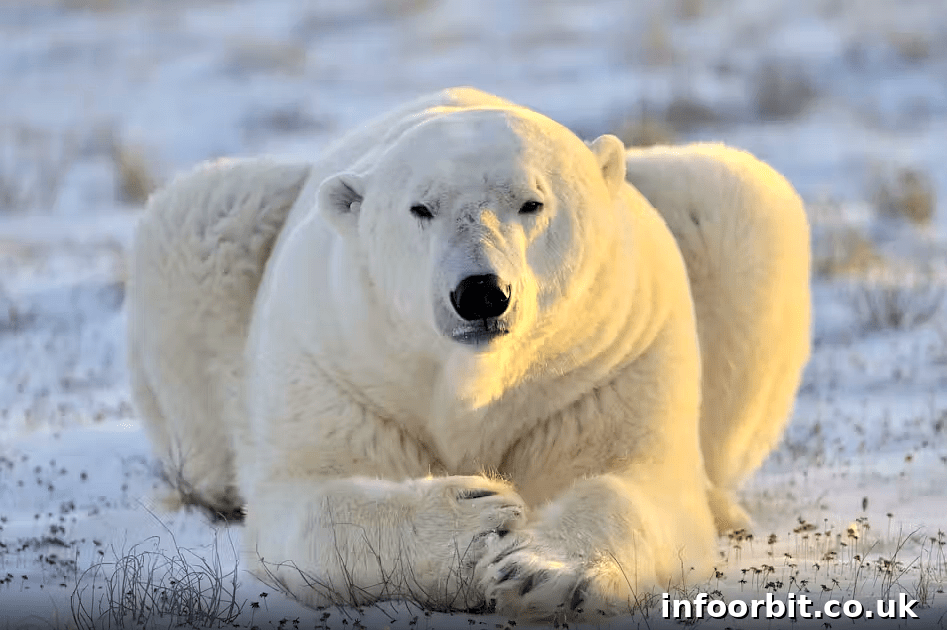
Have you ever looked at a polar bear and wondered about its life on the ice? These magnificent creatures are more than just beautiful animals. They are the kings of the Arctic. They play a very important role in keeping their icy home healthy. Many people ask, www.worldwildlife.org/resources/facts/why-do-polar… bears matter so much. The answer is simple: they are a keystone species.
A keystone species is an animal that other plants and animals in an ecosystem depend on greatly. If the keystone species disappears, the whole system can fall apart. Polar bears are at the very top of the Arctic food web. Their health tells us a lot about the health of the entire Arctic environment. By learning why polar bears are important, we understand why we must work to protect them. Their future is connected to the future of sea ice and, ultimately, our planet’s climate. Let’s dive into the world of the “sea bear” and discover its vital role in nature and culture.
Table of Contents
Table of Contents
| Section | Description |
| Introduction | An overview of the polar bear’s role as a keystone species. |
| The ‘Sea Bear’: An Apex Predator of the Arctic | Explains why Ursus maritimus depends on the ocean and sea ice. |
| A Vital Role in the Food Web | Details how polar bears regulate seal populations. |
| How Polar Bears Support Other Animals | Describes how polar bear leftovers feed scavengers like Arctic foxes. |
| An Indicator of Climate Health | Explains how the fate of polar bears signals climate change impacts. |
| A Powerful Symbol for Climate Action | Discusses the polar bear as a symbol for global warming awareness. |
| A Deep Cultural Significance | Explores the importance of polar bears to Indigenous Peoples. |
| The Biggest Threat: Melting Sea Ice | Discusses climate change as the primary threat to polar bear habitat. |
| Growing Human-Polar Bear Conflicts | Explains why bears are coming into towns and how to stay safe. |
| Industrial Impacts on Polar Bear Habitat | Covers threats from oil exploration and shipping. |
| Conservation Efforts and How You Can Help | Lists actions by organizations like WWF to save polar bears. |
| Frequently Asked Questions | Answers common queries about polar bear conservation. |
| Conclusion | A final call to action for protecting this iconic species. |
The ‘Sea Bear’: An Apex Predator of the Arctic
The polar bear’s scientific name is Ursus maritimus, which means “sea bear” . This is a perfect name because they spend most of their lives on the sea ice of the Arctic Ocean. They are not land animals like grizzly bears. They are considered marine mammals . They depend on the ocean for their food, shelter, and travel. Their lives are completely tied to the health of the sea.
These bears are the largest land carnivores in the world. Adult male polar bears can weigh up to 1,300 pounds . Their enormous paws can be the size of dinner plates. These wide paws act like snowshoes. They help the bear walk on thin ice without falling through . They have a thick layer of blubber to keep them warm. They also have black skin and hollow, translucent fur that appears white for camouflage . These adaptations make them perfect for hunting in the freezing Arctic. Their ability to survive in such a harsh environment is truly remarkable.
A Vital Role in the Food Web
As apex predators, polar bears sit at the top of the Arctic food web. This means they have no natural enemies . Their main food source is seals, especially ringed seals. They also eat bearded seals. These seals are full of fat, which gives polar bears the energy they need to survive.
Polar bears need a lot of fat to stay warm and healthy. A bear’s stomach can hold up to 20% of its body weight in food . They are powerful hunters. They use their incredible sense of smell to find seal breathing holes in the ice . They can even smell a seal from almost a kilometer away. By hunting seals, polar bears control the seal population. This prevents the seals from eating too many fish and other creatures. It keeps the whole food chain balanced. Without this balance, the Arctic marine ecosystem would suffer.
How Polar Bears Support Other Animals
One of the most amazing facts about polar bears is how they help feed other animals. Polar bears are not always successful hunters. They might only catch one or two out of every ten seals they hunt . When they do catch a seal, they usually eat the skin and fat first. They often leave the rest of the meat behind.
A new study shows that polar bears leave behind an incredible amount of food. Researchers estimate they provide about 7.6 million kilograms of meat each year! This leftover meat is a vital food source for other Arctic animals. Animals like Arctic foxes, ravens, and gulls scavenge on these leftovers . This helps them survive the long, harsh winters. In this way, polar bears act as providers for the whole neighborhood. They bring energy from the ocean onto the ice for others to use. This shows how interconnected the Arctic ecosystem really is. Protecting polar bears means protecting all the animals that depend on them .
An Indicator of Climate Health
Scientists often call polar bears an “indicator species” . This means their health shows us the health of the entire Arctic environment. If polar bears are struggling, it tells us that the ecosystem is in trouble. They are like the “canary in the coal mine” for climate change.
The biggest threat to polar bears is the loss of sea ice. Sea ice is their platform for hunting, mating, and resting . Because the Arctic is warming twice as fast as the rest of the planet, sea ice is melting rapidly . The bears are forced to spend more time on land. This leads to less food and more danger. By studying polar bear populations, we can see the direct impact of global warming. Their struggle is a clear sign that we need to take action on climate change . They are the face of the climate crisis.
A Powerful Symbol for Climate Action
Because they are so vulnerable to warming temperatures, polar bears have become the “poster child” for climate change . Their image is used around the world to show the effects of global warming. We see them on magazine covers and in documentaries. They are not just “poster children”; they are a powerful symbol for climate action.
It is predicted that polar bear numbers could decline by 30% by 2050 . Some studies suggest that, even with moderate emissions reductions, local extinctions are likely by 2100 . This is a very serious warning. Saving polar bears means reducing greenhouse gas emissions. It means protecting the sea ice they depend on. The future of polar bears is in our hands . We must act now to keep them from disappearing forever. We have a responsibility to protect these iconic creatures.
A Deep Cultural Significance
Polar bears are not just important for the environment. They are also incredibly important to people. For thousands of years, Indigenous Peoples of the Arctic have lived alongside polar bears. They are a vital part of their cultures and economies . They provide food and materials for clothing and tools.
In places like Churchill, Manitoba, polar bears are a “cultural keystone species” . This means they are central to the identity of the community. The Cree name for the area, Wapusk, means “white bear” . Today, polar bear viewing is a major source of income for many northern communities. It creates jobs and supports the local economy. This shows that people can live together with these powerful predators. It highlights the importance of respecting Indigenous knowledge and traditions in conservation efforts. The relationship between people and polar bears is ancient and deep.
The Biggest Threat: Melting Sea Ice
The biggest threat facing polar bears is the loss of their sea ice habitat . This loss is caused by human-caused climate change. Global warming is shrinking the Arctic summer sea ice by about 15.7% per decade . The ice is forming later in the fall and melting earlier in the spring. This gives polar bears less time to hunt.
Polar bears are highly specialized animals. They rely on sea ice to survive. With less ice, they have to swim longer distances. They also have to fast for longer periods. This uses up their fat reserves. It makes it harder for them to have healthy cubs. The ice is the foundation of the Arctic marine ecosystem. Losing the ice puts the entire food chain at risk. If we don’t address climate change, polar bears will continue to lose their home. Their survival depends on our ability to reduce greenhouse gas emissions.
Growing Human-Polar Bear Conflicts
As the sea ice melts, polar bears are spending more time on land . This means they are coming into contact with human communities more often. Bears are attracted to human settlements by the smell of food. They might find garbage, stored food, or dog teams. This leads to more conflict between people and bears.
These encounters can be dangerous for both people and bears. When a bear enters a town, it is often killed in self-defense. To reduce these conflicts, organizations like WWF are working with communities. They support programs like polar bear patrols . Patrol members watch for bears and use deterrents like flares to scare them away. They also help communities build bear-proof food storage containers. These strategies help keep people safe. They also help protect the bears. It is possible for people and polar bears to coexist .
Industrial Impacts on Polar Bear Habitat
Climate change is not the only threat. Industrial development in the Arctic is also a major concern. There is increasing oil and gas exploration and drilling. This can disturb polar bears, especially when they are in their dens.
Seismic testing is a loud and disruptive activity. It uses heavy trucks and sound waves to find oil. This can crush dens or force mothers and cubs out too early . The cubs might not survive the cold. Rising ship traffic also increases the risk of oil spills. An oil spill in the Arctic would be a disaster. It would harm polar bears and all the other animals in the food web. Protecting the Arctic from these industrial threats is a vital part of conservation. We must protect polar bear habitat from all types of harm.
Conservation Efforts and How You Can Help
Many people and organizations are working hard to save polar bears. The World Wildlife Fund (WWF) is a leader in this effort. They work in four of the five countries where polar bears live . They use science to track the bears. They also support laws and policies that protect them.
One key effort is reducing human-bear conflict. They also advocate for the protection of the “Last Ice Area.” This is a region where sea ice will last the longest. It is important to be a refuge for polar bears in the future. You can help too. You can support conservation organizations. You can also reduce your carbon footprint to help fight climate change . Every small action helps. By working together, we can ensure the survival of polar bears. They are a symbol of our shared responsibility to protect the planet .
Frequently Asked Questions
What is a keystone species?
A keystone species is an animal that has a huge impact on its environment. Other animals and plants in the ecosystem rely heavily on them. If a keystone species disappears, the whole ecosystem can change or collapse. Polar bears are a keystone species because they keep the food web in balance. The polar bear is an example of an important keystone species .
Why is the polar bear an indicator species?
An indicator species is a plant or animal that helps scientists understand the health of the ecosystem. Polar bears depend on sea ice. If their population is doing well, it is a sign that the sea ice and the whole Arctic ecosystem are healthy. If they are struggling, it tells us the environment is in trouble. This is due to threats like climate change .
What do polar bears eat?
Polar bears are carnivores. Their main food is seals. They hunt ringed seals and bearded seals most often. These seals are high in fat, which gives the bears the energy they need to survive. A polar bear might eat a seal every few days to stay healthy .
How does climate change affect polar bears?
Climate change causes the Arctic sea ice to melt. Polar bears need sea ice to hunt, travel, and have babies. Without ice, they cannot find enough food. This makes them thinner and weaker. It is harder for them to raise their cubs. The loss of sea ice is the biggest threat to their survival .
What is WWF doing to help polar bears?
WWF is working on many fronts to protect polar bears. They support scientific research to track bear populations. They work with communities to prevent conflicts. They also advocate for laws and policies that protect polar bear habitat from threats like oil drilling and climate change .
Are polar bears endangered?
Polar bears are classified as “Vulnerable” by the IUCN. There are about 22,000 to 31,000 left in the wild. In the United States, they are listed as a “Threatened” species under the Endangered Species Act . Climate change remains the biggest threat to their future.
Conclusion
Polar bears are truly the kings of the Arctic. They are powerful hunters and a vital part of the marine food web. Their survival is directly linked to the health of the sea ice. As a keystone and indicator species, they are a symbol of the beauty and fragility of our planet. They also hold a deep cultural significance for Indigenous communities.
The threats they face are serious. Climate change and melting sea ice are the biggest challenges. But there is hope. Through conservation efforts, we can help them. By reducing our impact on the climate and protecting their habitat, we can ensure a future for these incredible animals. Learn more about how you can help by visiting the www.worldwildlife.org/resources/facts/why-do-polar… bears page. Their fate is tied to ours. Let’s work together to protect the polar bear and the fragile Arctic ecosystem.
