

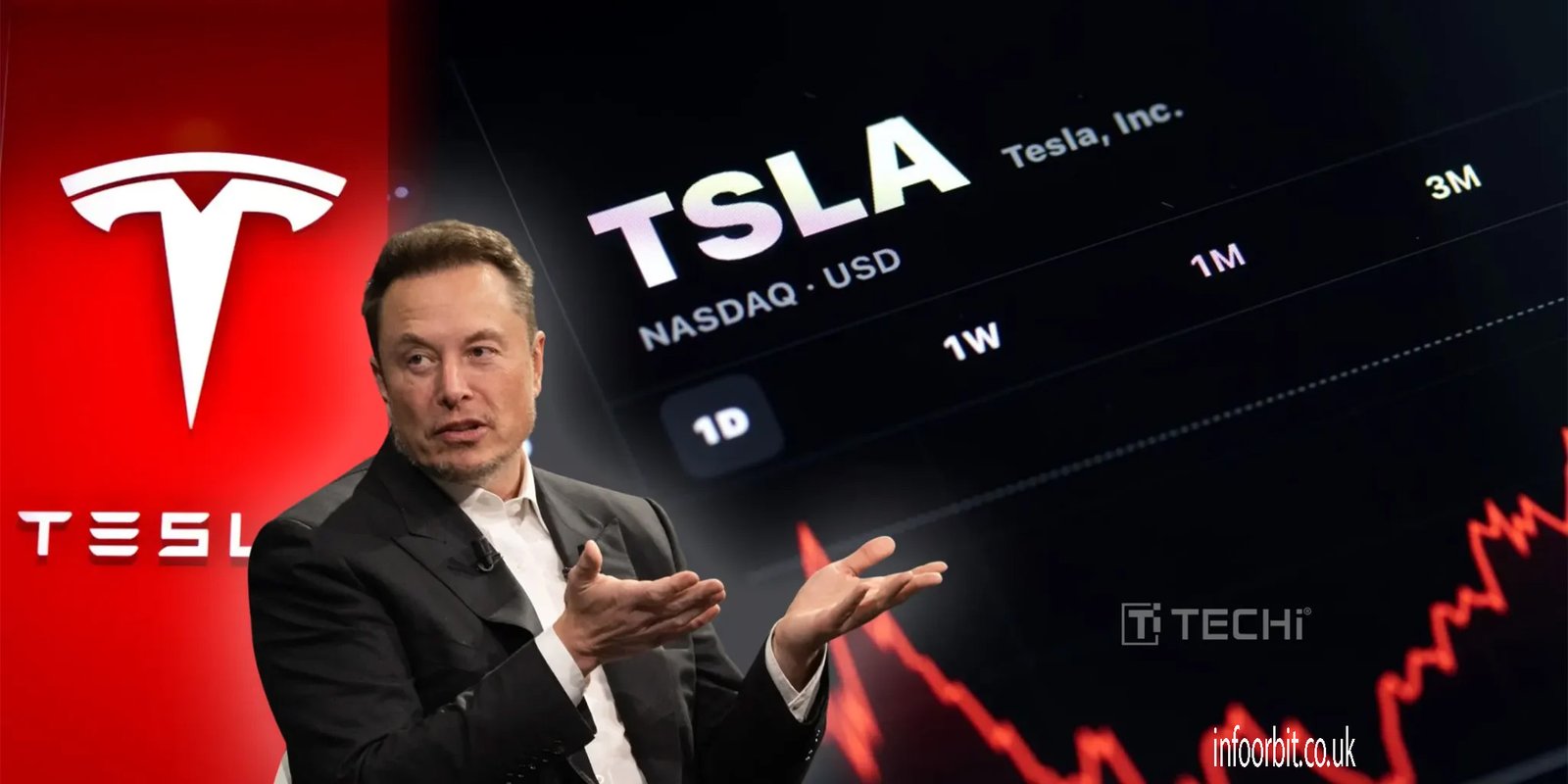
The global stock market is full of opportunities, but few stocks generate as much attention, debate, and excitement as TSLA stock. Representing Tesla, Inc., one of the world’s most innovative companies, x has become a symbol of technological disruption, sustainable energy transformation, and high-growth investing. Over the years, Tesla’s stock has delivered extraordinary returns, drawing interest from both retail investors and institutional funds.
Founded in 2003, Tesla revolutionized the electric vehicle (EV) industry and reshaped expectations around clean energy, autonomous driving, and energy storage solutions. As Tesla expanded its operations, TSLA stock emerged as a powerful force in the financial markets, reflecting not only vehicle sales but also innovation, visionary leadership, and long-term growth prospects.
In this comprehensive guide, we will explore everything you need to know aboutx including its historical performance, current trends, valuation metrics, growth drivers, risks, future outlook, and investment strategies. Whether you are a beginner investor or a seasoned trader, this article will provide valuable insights into one of the most dynamic stocks in the market.
Understanding TSLA Stock and Tesla, Inc.
What Is TSLA Stock?
TSLA stock is the publicly traded equity of Tesla, Inc., listed on the NASDAQ exchange under the ticker symbol TSLA. When investors purchase x, they gain partial ownership in Tesla, giving them exposure to the company’s financial performance, strategic decisions, and market expansion.
Tesla operates across multiple industries, including:
-
Electric vehicles (EVs)
-
Autonomous driving technology
-
Energy generation and storage
-
Artificial intelligence and robotics
This multi-sector presence makesxa unique investment option, blending automotive manufacturing with advanced technology and renewable energy solutions.
Overview of Tesla’s Business Model
Tesla’s business model revolves around innovation, sustainability, and vertical integration. Unlike traditional automakers, Tesla controls large portions of its production, from battery manufacturing to software development.
Key revenue streams behind x performance include:
-
Vehicle sales (Model S, Model 3, Model X, Model Y, Cybertruck)
-
Energy storage products (Powerwall, Powerpack, Megapack)
-
Solar energy solutions
-
Full Self-Driving (FSD) software subscriptions
-
Supercharging infrastructure
This diversified model provides strong foundations for long-term growth, making TSLA stock attractive to investors focused on future technologies.
Historical Performance of TSLA Stock
Early Years and Initial Public Offering (IPO)
Tesla went public in June 2010, offering shares at $17 each. At the time, the company was relatively unknown, producing only a limited number of electric vehicles. However, early believers in x recognized Tesla’s potential to disrupt the automotive industry.
Over the next decade, Tesla expanded production capacity, launched multiple vehicle models, and built manufacturing plants worldwide. This growth translated into exceptional stock price appreciation, turning TSLA stock into one of the most successful investments of the 21st century.
Major Growth Phases of TSLA Stock
1. 2013–2016: Early Expansion Phase
Tesla achieved its first profitable quarters, launching the Model S and Model X. x began attracting institutional investors, driving significant price increases.
2. 2017–2019: Model 3 Production and Challenges
The mass-market Model 3 brought production challenges, but successful scaling boosted investor confidence. Despite volatility, TSLA stock maintained upward momentum.
3. 2020–2021: Explosive Growth Period
Tesla achieved consistent profitability, expanded global manufacturing, and gained inclusion in the S&P 500. x surged dramatically, making Tesla one of the world’s most valuable companies.
4. 2022–2025: Market Volatility and Strategic Growth
Despite macroeconomic challenges, Tesla continued to innovate, keepingx among the most closely watched equities globally.
Key Factors Influencing TSLA Stock Price
1. Vehicle Sales and Delivery Numbers
Quarterly delivery reports play a crucial role inx movements. Strong delivery numbers often trigger stock price surges, while production delays or missed expectations may cause temporary declines.
2. Technological Innovation
Tesla’s leadership in autonomous driving and artificial intelligence significantly impacts TSLA stock valuation. The development of Full Self-Driving (FSD) software is particularly important, as it represents high-margin recurring revenue.
3. Global Expansion Strategy
Tesla’s Gigafactories in the U.S., China, Germany, and other regions boost production efficiency and global reach. This expansion directly supports the growth trajectory of TSLA stock.
4. CEO Influence and Public Sentiment
Elon Musk’s leadership style and public statements often influence investor sentiment. His vision, innovation strategies, and social media presence contribute to volatility in x
5. Market Trends and Economic Conditions
Macroeconomic factors, interest rates, inflation, and global supply chains all affect investor perception and stock market behavior, impacting x performance.
Financial Performance and Valuation of TSLA Stock
Revenue Growth and Profitability
Tesla has demonstrated strong revenue growth year after year. Rising vehicle sales, energy business expansion, and software subscriptions have strengthened Tesla’s financial profile.
Key financial highlights driving TSLA stock valuation include:
-
Rapid revenue growth
-
Improving profit margins
-
Strong free cash flow
-
Expanding operating efficiency
Valuation Metrics of TSLA Stock
Common valuation ratios used to analyzex include:
-
Price-to-Earnings (P/E) Ratio
-
Price-to-Sales (P/S) Ratio
-
Earnings Per Share (EPS)
-
Market Capitalization
Compared to traditional automakers,x often trades at higher valuation multiples, reflecting investor confidence in Tesla’s growth potential and technology leadership.
Competitive Landscape and TSLA Stock Position
Tesla vs Traditional Automakers
Tesla competes with established automakers such as:
-
Ford
-
General Motors
-
Toyota
-
Volkswagen
However, Tesla’s technological edge, direct sales model, and brand loyalty givexx a competitive advantage
Tesla vs New EV Startups
Emerging EV companies like Rivian, Lucid, and NIO are also competing for market share. Despite increased competition, Tesla maintains dominance through scale, efficiency, and innovation, supporting long-term confidence in x
Risks and Challenges Impacting TSLA Stock
1. Market Volatility
TSLA stock is known for high volatility. Rapid price fluctuations can be influenced by earnings reports, news events, or global economic conditions.
2. Regulatory and Legal Risks
Tesla operates in highly regulated industries. Changes in government policies, environmental regulations, or trade laws could impact production and sales, affecting x
3. Competition and Price Wars
Increasing competition in the EV sector may lead to price wars, compressing margins and influencing investor confidence inx
4. Dependence on Elon Musk
Elon Musk’s leadership plays a central role in Tesla’s identity. Any changes in his involvement or public controversies may introduce uncertainty into TSLA stock valuati.
Growth Opportunities for TSLA Stock
Autonomous Driving and AI Development
Tesla’s Full Self-Driving (FSD) system represents a transformative opportunity. If fully realized, it could significantly increase Tesla’s revenue streams, driving higher valuations for
Energy Storage and Solar Expansion
Tesla’s energy products, including Powerwall and Megapack, offer massive growth potential. As global demand for renewable energy increases, this segment may become a key driver of TSLA stock performance.
Robotics and Artificial Intelligence
Tesla’s development of humanoid robots introduces new business dimensions. If successful, this innovation could revolutionize manufacturing and services, creating unprecedented upside forx
Global Market Penetration
Emerging markets in Asia, Africa, and South America present new opportunities. Tesla’s expansion into these regions may fuel long-term growth for TSLA stock.
Technical Analysis of TSLA Stock
Understanding Price Trends and Patterns
Technical analysts study historical price movements to identify support and resistance levels. x often exhibits strong momentum trends, attracting active traders.
Key Technical Indicators for TSLA Stock
Moving Averages
-
Relative Strength Index (RSI)
-
MACD (Moving Average Convergence Divergence)
-
Volume Analysis
These indicators help traders assess entry and exit points when tradingx
Investment Strategies for TSLA Stock
Long-Term Investing Approach
Long-term investors focus on Tesla’s innovation and growth potential. Holding for several years may deliver significant returns, especially as Tesla expands into new industries.
Short-Term Trading Strategy
Active traders take advantage ofx volatility. Earnings announcements, production updates, and news events create opportunities for short-term profits.
Dollar-Cost Averaging
This strategy involves investing fixed amounts regularly, reducing the impact of market volatility. It is particularly useful for investors interested in accumulating TSLA stock over time.
Future Outlook for TSLA Stock
Market Predictions and Analyst Forecasts
Most analysts maintain positive long-term outlooks for citing innovation, global expansion, and strong brand loyalty. While short-term fluctuations may occur, long-term growth prospects remain strong.
Technological Breakthroughs and Market Leadership
Tesla’s ongoing research into battery efficiency, AI, and sustainable energy strengthens its leadership position. These advancements support bullish forecasts for TSLA stock.
Long-Term Value Creation
As Tesla diversifies its business model, it is transforming from a car manufacturer into a global technology powerhouse. This transformation is expected to create long-term shareholder value, making a cornerstone investment in growth-focused portfolios.
Frequently Asked Questions About TSLA Stock
Is TSLA Stock a Good Investment?
xis considered a high-growth investment. While it offers significant upside potential, it also comes with high volatility. Investors should assess their risk tolerance before investing.

Why Is TSLA Stock So Volatile?
The volatility of x is driven by high investor interest, rapid innovation, speculative trading, and global economic factors.
Can Beginners Invest in TSLA Stock?
Yes, beginners can invest in x especially through long-term strategies and diversified portfolios.
What Is the Future Price Target for TSLA Stock?
Price targets vary among analysts, but most expect long-term growth due to Tesla’s innovation and market expansion.
Conclusion: Is TSLA Stock Worth Investing In?
TSLA stock represents far more than just an automotive investment. It embodies innovation, sustainability, and technological advancement. Tesla’s leadership in electric vehicles, renewable energy, artificial intelligence, and robotics positions it at the forefront of global transformation.
While TSLA stock carries higher volatility and risk, its long-term growth potential remains exceptional. Investors who believe in Tesla’s vision and technological leadership may find a compelling addition to their investment portfolios.
As global demand for sustainable solutions increases, Tesla is well-positioned to lead the next industrial revolution. With strong financial performance, continuous innovation, and visionary leadership,x stands as one of the most exciting investment opportunities in modern financial markets.
